Scrap metals we accept
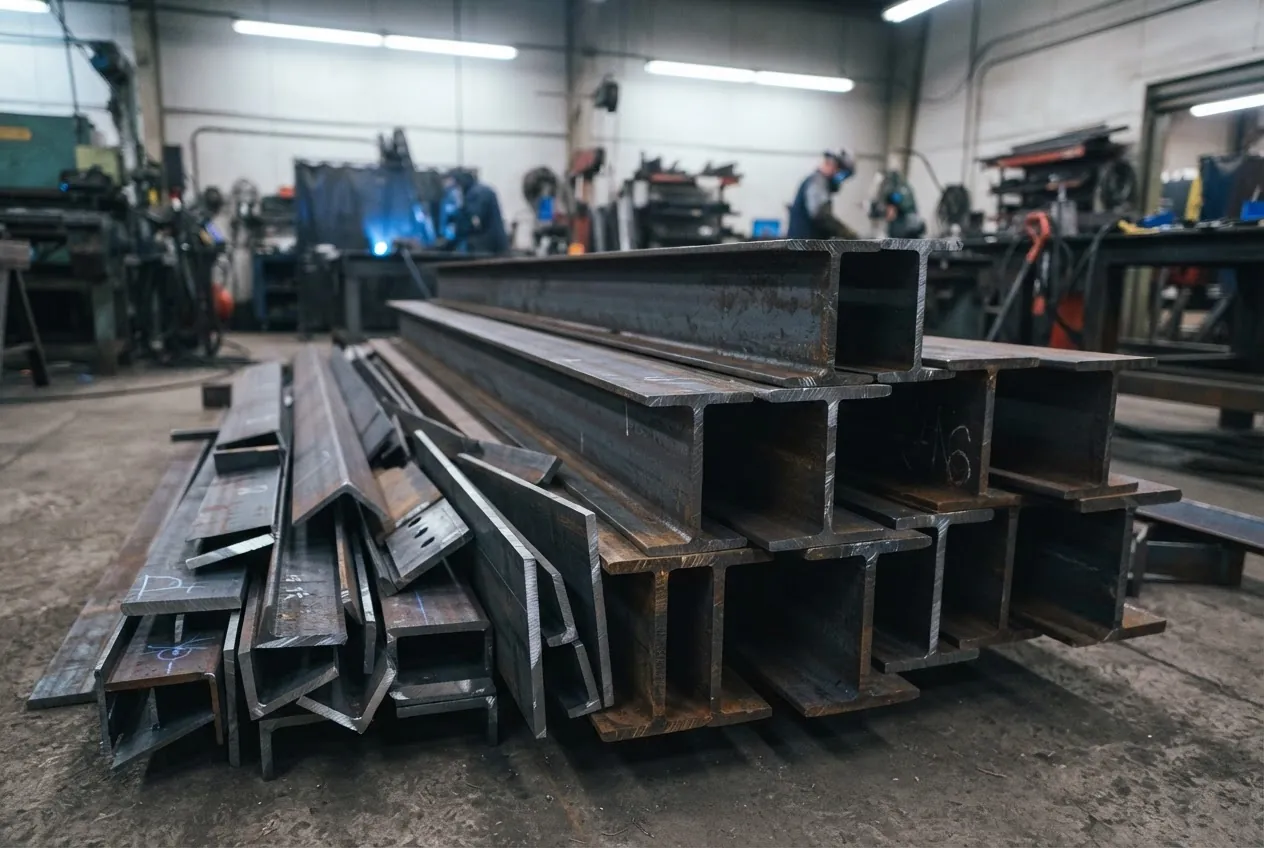
Steel, iron, aluminum, copper, brass, stainless and mixed commercial loads. Here’s what we collect, how to tell metals apart, and how to get the most out of your scrap.
- Commercial and industrial clients
- Bins available
- Terms confirmed before booking
Request a pickup
Tell us what needs collecting and where. We’ll review it and get back to you with next steps.
Sorting makes a real difference
You don’t need a recycling degree to get more from your scrap. Simply keeping the valuable non-ferrous metals (copper, brass and aluminum) away from the steel makes a load easier to assess and, often, more valuable.
A couple of labelled bins or pallets is plenty. Likewise, removing obvious non-metal attachments, like plastic, wood or rubber, helps too.
Quick sorting tips
- Use a magnet: steel and iron stick; non-ferrous metals don’t
- Keep copper and brass separate from everything else
- Strip obvious plastic, wood and rubber where practical
- Keep metal dry and free of garbage
Heavy machinery and equipment
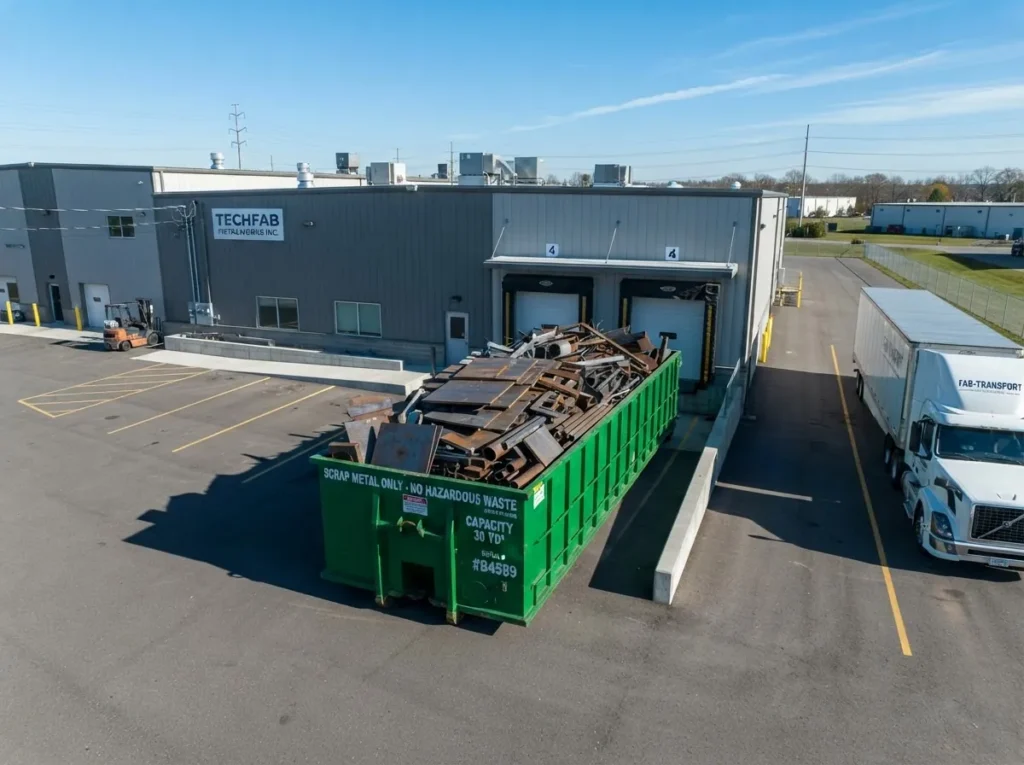
Beyond loose metal, we also assess larger items: loaders and skid steers, shipping containers and sea cans, generators and compressors, trailers, concrete mixers, factory machinery, racking, tanks and steel structures.
Those go through our heavy equipment removal process, because size, weight and access all need planning.
Metal questions
What’s the difference between ferrous and non-ferrous metal?
Ferrous metals contain iron, like steel and cast iron, and are magnetic. Non-ferrous metals, such as copper, aluminum, brass and stainless, don’t contain iron (or not enough to be magnetic) and are generally more valuable per kilogram.
How can I tell what metal I have?
A magnet is a good start: if it sticks, it’s probably steel or iron. Copper is reddish, brass is yellow, aluminum is light and silvery. If in doubt, send a photo.
Do you accept insulated copper wire?
Insulated wire can be assessed. Mention the type and approximate quantity.
What metal items can’t you take?
We don’t take household appliances, BBQs, hazardous materials, sealed or pressurised containers, or anything that still contains fluids or gases unless it’s been properly prepared and agreed during assessment.
Tell us what your business needs collected
Share what you have, where it is and how it can be reached. Photos make a big difference. We’ll review the details and get in touch to discuss suitability, arrangements and next steps.
- The form adjusts to the service you choose
- Attach up to 5 photos
- Charges or scrap value confirmed before booking
Prefer email? info@scrapmetalpickupbc.ca